Table Games That Keep Every Session Fresh
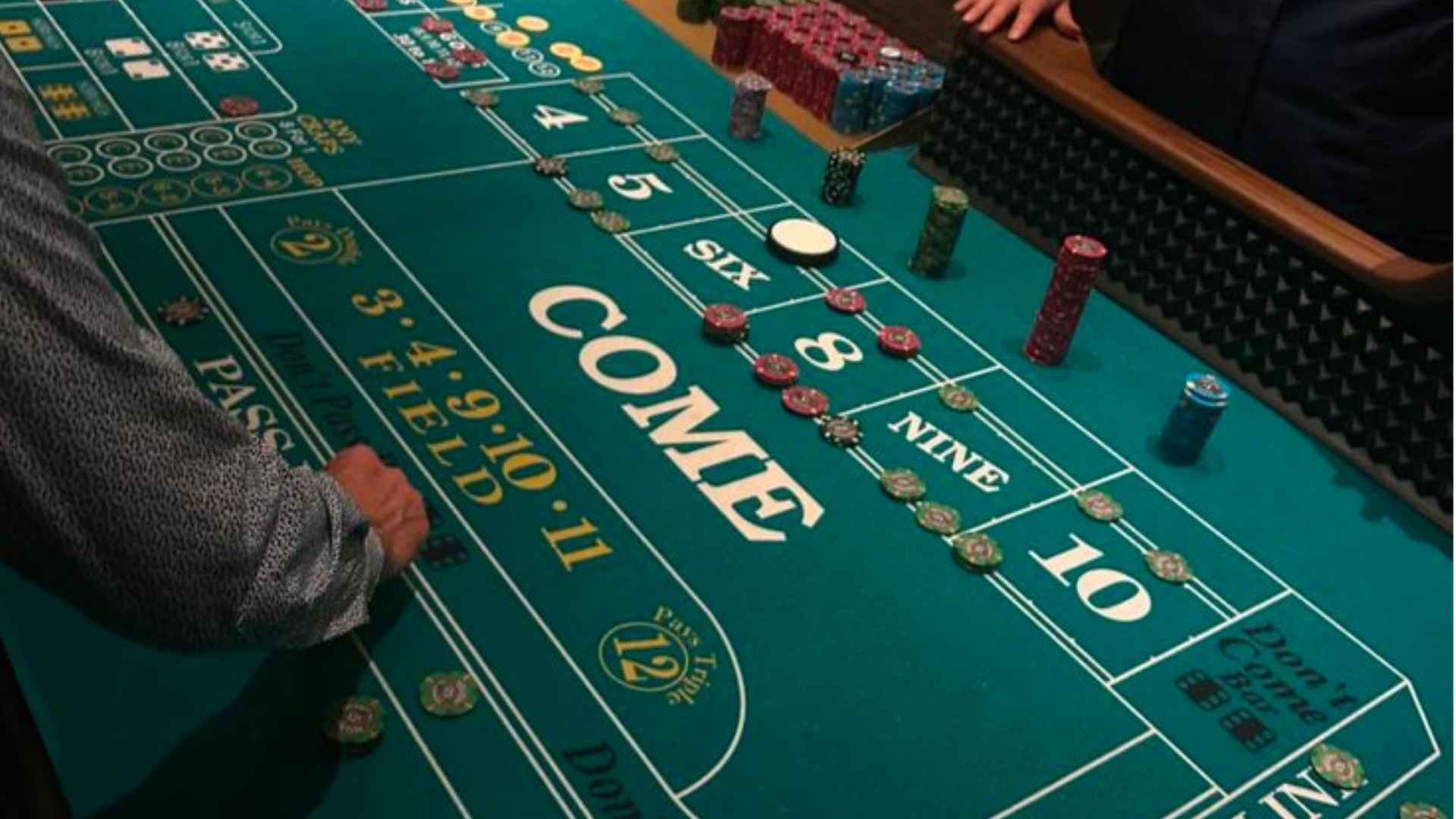
Tabletop gaming has evolved significantly over the years, transforming from simple pastimes into deeply engaging experiences that challenge our minds. One of the greatest hurdles for any gaming enthusiast is the feeling of predictability that can settle in after playing the same setup repeatedly. Fortunately, modern game design has introduced brilliant mechanics specifically engineered to ensure that no two sessions ever feel quite the same.
The Magic of Variable Player Powers
One of the most effective ways developers keep tabletop experiences exciting is through the introduction of variable player powers. By giving each participant a unique set of abilities, strengths, and weaknesses, the game forces players to adapt their strategies from the very beginning. This setup ensures that your path to victory changes entirely based on the character or faction you choose to control.
Furthermore, this mechanic drastically alters how you interact with your opponents at the table. A strategy that worked perfectly against one character might completely fail when facing a different opponent in the next round. This constant need for tactical adjustment keeps the gameplay dynamic and prevents any single strategy from dominating the table.
Modular Board Designs and Random Setups
Another brilliant innovation in modern design is the use of modular boards that change shape and layout before every game. Instead of playing on a static map, players piece together tiles or cards to construct a brand-new landscape for each session. This layout variation completely alters the availability of resources, movement pathways, and choke points on the board.
When the physical space of the game is constantly shifting, players cannot rely on memorized opening moves or repetitive patterns. You are forced to read the board as it exists in that specific moment and make real-time decisions based on the current layout. This spatial unpredictability is excellent for building cognitive flexibility and keeping players on their toes.
Embracing Dynamic Event Decks
Many cooperative and competitive table games utilize specialized event cards to inject unexpected narrative twists and gameplay changes. These decks introduce random occurrences, weather changes, or sudden crises that players must collectively or individually resolve to survive. By introducing external pressure, these events disrupt long-term planning and force immediate, exciting pivot decisions.
These unexpected shifts mirror the unpredictable nature of real-life challenges and competitive athletic endeavors. For those who enjoy analyzing dynamic shifts in competitive fields, exploring options like M88 sports can offer a fascinating parallel to the strategic depth found in tabletop gaming. Ultimately, learning to navigate these sudden changes is what turns a standard gaming session into an unforgettable adventure.
The Role of Multiple Victory Conditions
Games that offer only a single path to victory can quickly become repetitive as players optimize the most efficient route to win. To combat this, innovative tabletop designs incorporate multiple, competing victory conditions that players can pursue simultaneously. You might choose to focus on gathering wealth, building influence, or achieving technological dominance depending on how the game unfolds.
This variety of pathways ensures that players are constantly monitoring their opponents' progress across different fronts. It creates a tense environment where you must balance your own goals while actively working to block an opponent's alternative route to victory. Having diverse objectives ensures the game remains highly replayable for years to come.